Hydrangeas: The Ultimate Online Guide
Hydrangeas: The Ultimate Online Guide
Hydrangeas are some of the most popular flowering shrubs in the world. They are known for their large, showy blooms that can come in a variety of colors, including blue, pink, purple, and white. Hydrangeas are relatively easy to care for, and with proper care, they can thrive for many years.
This guide will provide you with everything you need to know about growing and caring for hydrangeas. We will discuss everything from choosing the right type of hydrangea for your climate to troubleshooting common problems. By the end of this guide, you will be an expert on hydrangeas!
Choosing the Right Hydrangea
There are many different types of hydrangeas available, so it is important to choose the right one for your climate. If you live in a warm climate, you will want to choose a hydrangea that is tolerant of heat and humidity. If you live in a cold climate, you will want to choose a hydrangea that is hardy to cold weather.
Here are some of the most popular types of hydrangeas:
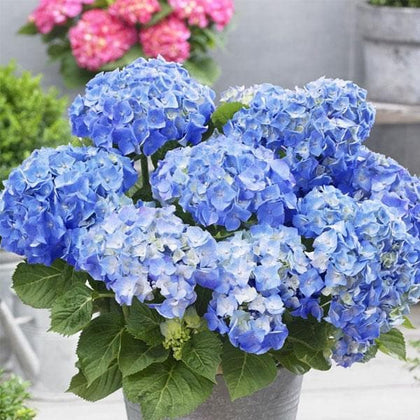
- Mophead hydrangeas are known for their large, round blooms. They are a good choice for warm climates.
- Lacecap hydrangeas have blooms that are made up of a central cluster of petals surrounded by a ring of smaller petals. They are a good choice for both warm and cold climates.
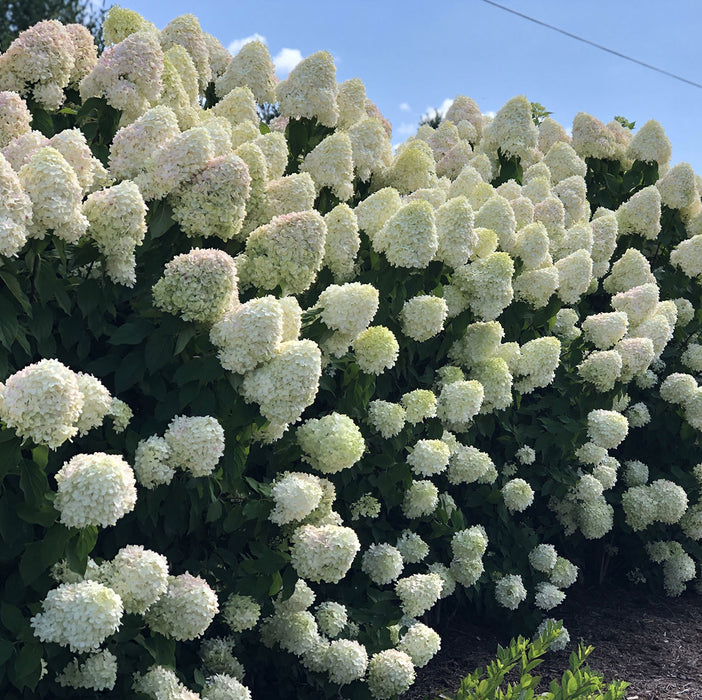
- Panicle hydrangeas have tall, upright stems that are topped with large, cone-shaped blooms. They are a good choice for cold climates.
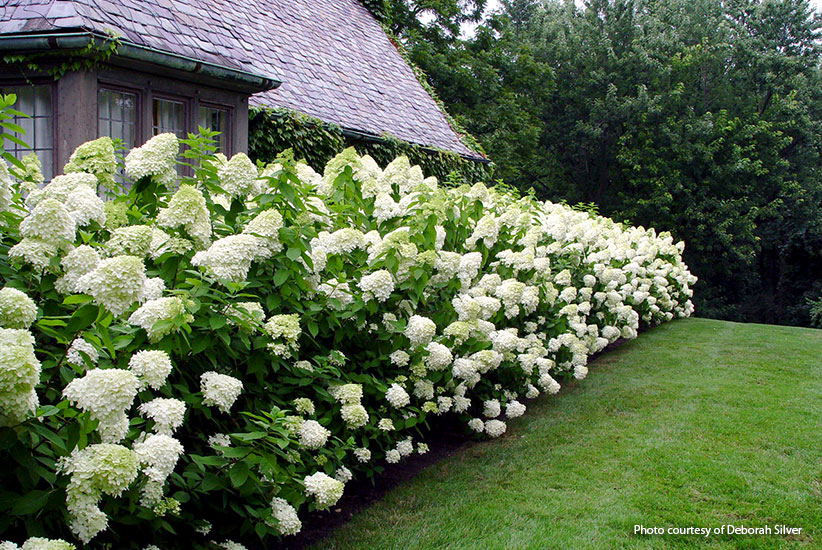
- Smooth hydrangeas have small, white blooms that are clustered together in small groups. They are a good choice for shady areas.
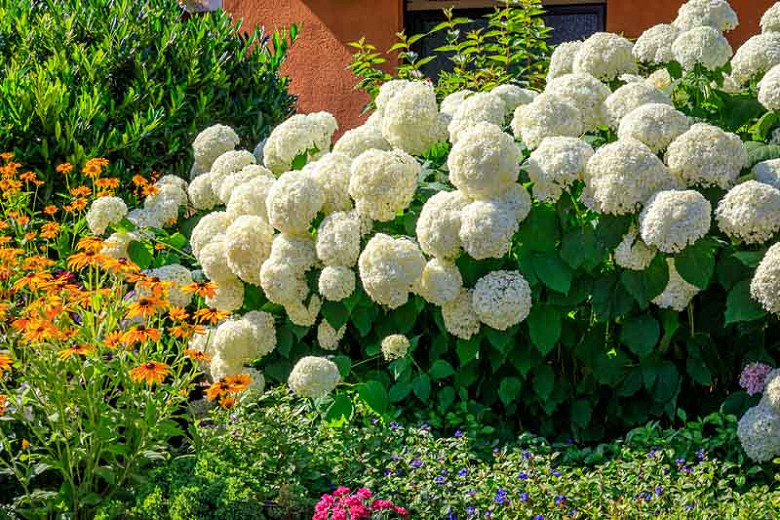
Planting Hydrangeas
Hydrangeas should be planted in the spring or fall. They prefer a moist, well-drained soil that is rich in organic matter. The pH of the soil is also important, as hydrangeas prefer a slightly acidic soil with a pH of 5.5 to 6.5.
When planting hydrangeas, dig a hole that is twice as wide and as deep as the root ball of the plant. Add some compost or other organic matter to the bottom of the hole, then set the plant in the hole and backfill with soil. Water the plant thoroughly after planting.
Caring for Hydrangeas
Hydrangeas are relatively easy to care for, but they do require some regular maintenance. Here are a few tips for caring for hydrangeas:
- Water regularly, especially during hot, dry weather.
- Fertilize hydrangeas in the spring and fall with a balanced fertilizer.
- Deadhead spent blooms to encourage new growth.
- Prune hydrangeas in the spring, before new growth begins.
- Protect hydrangeas from frost in cold climates.
Troubleshooting Common Problems
Hydrangeas are generally healthy plants, but they can be susceptible to a few problems. Here are a few of the most common problems and how to troubleshoot them:
- Leaf scorch: This is a common problem that can be caused by too much sunlight or heat. To prevent leaf scorch, plant hydrangeas in a location that receives partial shade.

- Bud blast: This is a problem that can occur when hydrangeas are planted in cold, wet soil. To prevent bud blast, plant hydrangeas in a location that is well-drained and protected from cold weather.

- Leaf spot: This is a fungal disease that can cause brown or black spots on the leaves of hydrangeas. To treat leaf spot, remove infected leaves and apply a fungicide.
Enjoying Your Hydrangeas
With proper care, hydrangeas will reward you with beautiful blooms for many years to come. They are a versatile plant that can be used in a variety of ways, from borders to hedges to focal points. So what are you waiting for? Add some hydrangeas to your garden today!
If you're looking for more information about hydrangeas, I suggest you visit . This website has a wealth of information on all things hydrangea, from different varieties to planting and care tips. You can also find a wide selection of hydrangea plants for sale, so you can find the perfect one for your garden.
In addition to its comprehensive information, also has a blog with regular updates on hydrangea news and trends. You can also find helpful articles on topics such as hydrangea pests and diseases, hydrangea care for beginners, and hydrangea design ideas.
Whether you're a seasoned hydrangea grower or just getting started, is a great resource for everything you need to know about these beautiful flowers. So what are you waiting for? Visit today!
FAQ of hydrangea online
- What are the different types of hydrangeas?
There are over 70 species of hydrangeas, and they come in a wide variety of shapes, sizes, and colors. Some of the most popular types of hydrangeas include:
* Mophead hydrangeas: These hydrangeas have large, rounded flower clusters that can be up to 12 inches in diameter. The color of the flowers can vary depending on the acidity of the soil, with blue flowers in acidic soil and pink flowers in alkaline soil.
* Panicle hydrangeas: These hydrangeas have tall, upright flower spikes that can reach up to 6 feet in height. The flowers are typically white or pink, but they can also be red or purple.
* Smooth hydrangeas: These hydrangeas have small, lacecap flowers that are arranged in a flat-topped cluster. The color of the flowers can vary depending on the variety, but they are typically blue, pink, or white.
* Tree hydrangeas: These hydrangeas are large shrubs or small trees that can grow up to 20 feet tall. They have large, showy flower clusters that can be up to 18 inches in diameter.
* Everblooming hydrangeas: These hydrangeas bloom once in the spring, but they also produce a second flush of flowers in the fall. The color of the flowers can vary depending on the variety, but they are typically pink, blue, or white.
- How do I care for hydrangeas?
Hydrangeas are relatively easy to care for, but they do need some specific conditions to thrive. They prefer full sun to partial shade, and they need well-drained soil that is rich in organic matter. Hydrangeas also need regular watering, especially during hot, dry weather. In the fall, you can add a layer of mulch around the base of the plant to help protect it from the cold.
- Why are my hydrangeas not blooming?
There are a few reasons why your hydrangeas might not be blooming. One possibility is that the plant is not getting enough sunlight. Hydrangeas need at least 6 hours of sunlight per day to bloom properly. Another possibility is that the plant is not getting enough water. Hydrangeas need regular watering, especially during hot, dry weather. Finally, the plant may not be getting enough nutrients. You can fertilize your hydrangeas in the spring and fall with a balanced fertilizer.
- How do I change the color of my hydrangeas?
The color of hydrangea flowers is determined by the acidity of the soil. In acidic soil, hydrangeas will bloom blue flowers. In alkaline soil, hydrangeas will bloom pink flowers. You can change the color of your hydrangeas by adjusting the pH of the soil. To make the soil more acidic, you can add peat moss or sulfur to the soil. To make the soil more alkaline, you can add lime to the soil.
- Are hydrangeas poisonous?
The leaves, stems, and flowers of hydrangeas are poisonous to humans and animals. If ingested, hydrangeas can cause vomiting, diarrhea, and other symptoms. If you think someone has ingested hydrangeas, it is important to seek medical attention immediately.
Image of hydrangea online
- Hydrangea macrophylla is a popular type of hydrangea that is known for its large, colorful blooms. This particular hydrangea is in bloom in shades of blue, pink, and white.
- Hydrangea paniculata is another type of hydrangea that is known for its large, cone-shaped blooms. This particular hydrangea is in bloom in shades of white.
- Hydrangea arborescens is a type of hydrangea that is known for its small, white flowers. This particular hydrangea is in bloom in a cluster of flowers.
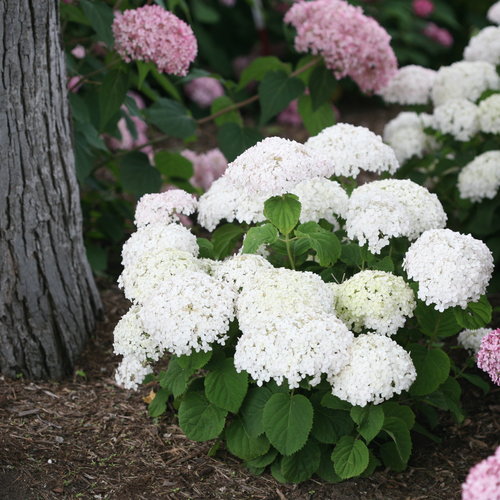
- Hydrangea quercifolia is a type of hydrangea that is known for its oak-shaped leaves and its blue or pink blooms. This particular hydrangea is in bloom in shades of blue.

- Hydrangea petiolaris is a type of hydrangea that is known for its climbing habit. This particular hydrangea is in bloom with white flowers.

Post a Comment for "Hydrangeas: The Ultimate Online Guide"