The Ultimate Guide To Companion Planting Cucumbers And Tomatoes
The Ultimate Guide to Companion Planting Cucumbers and Tomatoes
Cucumbers and tomatoes are two of the most popular vegetables grown in home gardens. They are both relatively easy to care for and can produce a bountiful harvest. But did you know that you can actually improve the growth and yield of both plants by companion planting them together?
In this guide, we will discuss the benefits of companion planting cucumbers and tomatoes, as well as some of the best plants to grow with them. We will also provide some tips on how to plant and care for these companion plants so that you can get the most out of your garden.
What is Companion Planting?
Companion planting is a gardening practice that involves planting certain types of plants together in order to benefit each other. Some plants can help to deter pests, attract beneficial insects, or improve the soil quality. By planting the right plants together, you can create a more balanced and productive garden.
Benefits of Companion Planting Cucumbers and Tomatoes
There are several benefits to companion planting cucumbers and tomatoes. Some of these benefits include:
- Reduced pest pressure. Some plants, such as marigolds and nasturtiums, can help to repel pests that can damage cucumbers and tomatoes.
- Attraction of beneficial insects. Other plants, such as basil and chives, can attract beneficial insects, such as ladybugs and lacewings, which can help to control pest populations.
- Improved soil quality. Some plants, such as beans and peas, can fix nitrogen in the soil, which can benefit cucumbers and tomatoes.
- Increased yields. Companion planting can help to increase the yields of both cucumbers and tomatoes.
Best Plants to Grow with Cucumbers and Tomatoes
There are many different plants that can be grown with cucumbers and tomatoes. Some of the best include:
- Basil: Basil is a well-known companion plant for tomatoes. It helps to repel pests, such as mosquitoes and flies, and it also improves the flavor of tomatoes.
- Marigolds: Marigolds are another great companion plant for tomatoes. They help to repel nematodes, which can damage tomato roots.
- Nasturtiums: Nasturtiums are a beautiful and edible flower that can help to repel aphids, whiteflies, and other pests.
- Beans: Beans fix nitrogen in the soil, which can benefit cucumbers and tomatoes.
- Peas: Peas also fix nitrogen in the soil, and they can also help to suppress weeds.
- Lettuce: Lettuce doesn't compete with cucumbers and tomatoes for space or nutrients, and it can help to shade the soil, which can help to keep it cool and moist.
- Spinach: Spinach is another low-growing plant that doesn't compete with cucumbers and tomatoes. It also helps to suppress weeds.
- Carrots: Carrots help to improve the drainage of the soil, which can benefit cucumbers and tomatoes.
How to Plant and Care for Companion Plants
When planting companion plants, it is important to consider the size and growth habit of each plant. For example, cucumbers and tomatoes can both grow quite large, so it is important to space them accordingly. You should also consider the amount of sunlight and water each plant needs.
Once your plants are in the ground, it is important to provide them with regular water and fertilizer. You should also keep an eye out for pests and diseases. If you see any problems, take steps to address them immediately.
With a little care and attention, you can enjoy a bountiful harvest of cucumbers and tomatoes from your companion planting bed.
Conclusion
Companion planting is a simple and effective way to improve the growth and yield of your garden. By planting cucumbers and tomatoes together with some of the other plants mentioned in this guide, you can create a more balanced and productive garden.
So next time you are planning your garden, don't forget to consider companion planting. It is a simple way to get more out of your space and enjoy a healthier harvest.
Cucumbers and tomatoes are two of the most popular vegetables to grow in the garden, but did you know that they can also be great companion plants? Companion planting is the practice of planting certain plants together in order to benefit each other. For cucumbers and tomatoes, some of the best companion plants include:
- Legumes: Legumes, such as peas, beans, and lentils, are nitrogen-fixing plants, which means they can add nitrogen to the soil. This can be beneficial for cucumbers, which are heavy feeders.
- Root vegetables: Root vegetables, such as radishes, carrots, and beets, do not compete with cucumbers for space. They also help to break up the soil, which can improve drainage and aeration.
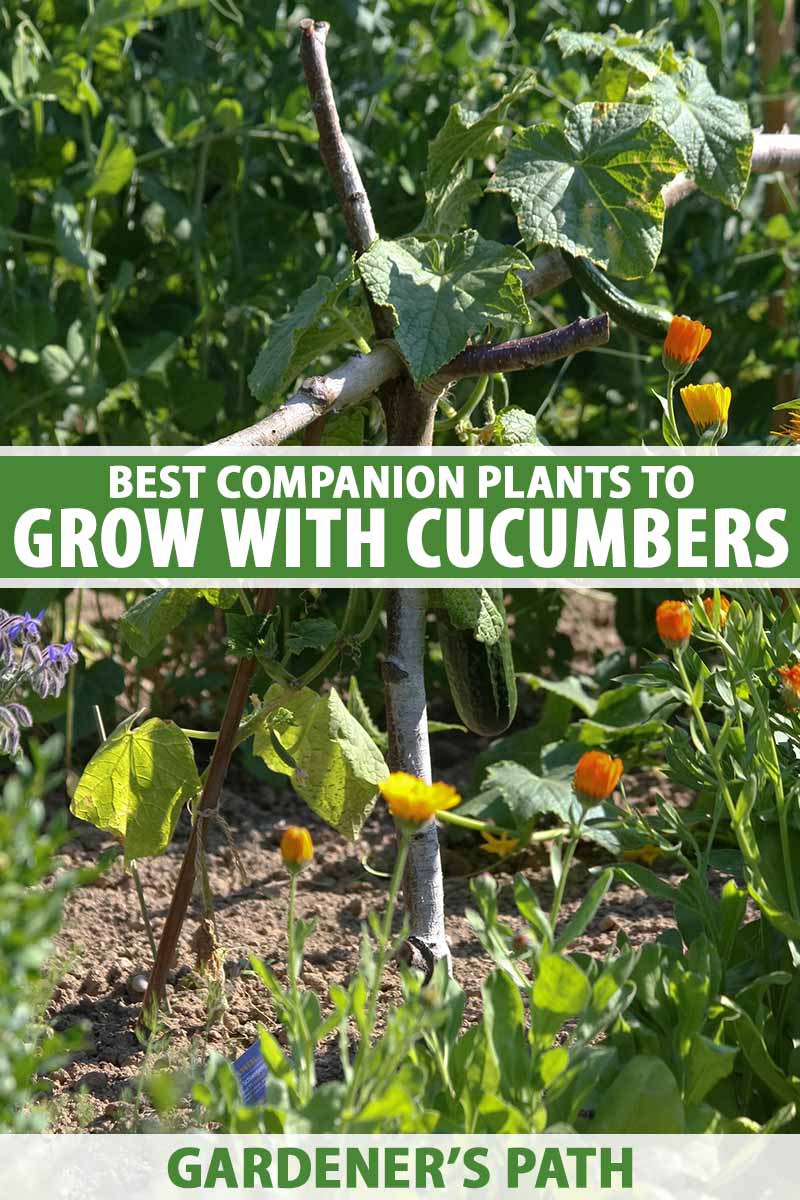
- Flowers: Flowers such as marigolds, nasturtiums, and sunflowers can help to attract beneficial insects, such as ladybugs and parasitic wasps, which can help to control pests. They can also help to deter harmful insects, such as cucumber beetles and whiteflies.
For more information about companion plants for cucumbers and tomatoes, please visit Gardenia Inspiration. This website has a wealth of information on the topic, including a list of specific plants that can be grown together, as well as tips on how to plant and care for your companion plants.
FAQ of companion plants for cucumbers and tomatoes
- What are some good companion plants for cucumbers and tomatoes?
Some good companion plants for cucumbers and tomatoes include:
- Legumes: Peas, beans, and lentils are all good companion plants for cucumbers and tomatoes. They help to fix nitrogen in the soil, which can benefit both plants.
- Corn: Corn can be used as a natural trellis for cucumbers. It also provides shade for tomatoes, which can help to prevent sunscald.
- Root vegetables: Radishes, beets, carrots, and onions are all good companion plants for cucumbers and tomatoes. They do not compete for space or nutrients, and they can help to repel pests.
- Flowers: Marigolds, nasturtiums, and sunflowers are all good companion plants for cucumbers and tomatoes. They help to repel pests and attract beneficial insects.
- Herbs: Dill and oregano are both good companion plants for cucumbers and tomatoes. They help to improve the flavor of the fruits and vegetables.
- Can I plant cucumbers and tomatoes together?
Yes, cucumbers and tomatoes can be planted together successfully. They have similar growing needs when it comes to sunlight, soil conditions, and watering. And if space is at a premium, interplanting the two can help to maximize your yields.
- What are some bad companion plants for cucumbers and tomatoes?
Some bad companion plants for cucumbers and tomatoes include:
- Potatoes: Potatoes and tomatoes are susceptible to the same diseases, so it is best to avoid planting them together.
- Melons: Melons and cucumbers compete for the same nutrients, so it is best to avoid planting them together.
- Cabbage family: The cabbage family, which includes broccoli, cauliflower, and Brussels sprouts, can attract pests that also target cucumbers and tomatoes.
- Herbs: Some herbs, such as sage and mint, can inhibit the growth of cucumbers and tomatoes.
- Fruit trees: Fruit trees can cast too much shade on cucumbers and tomatoes, which can stunt their growth.
- How far apart should I plant cucumbers and tomatoes?
The spacing requirements for cucumbers and tomatoes vary depending on the variety. However, as a general rule of thumb, you should plant cucumbers 18-24 inches apart and tomatoes 24-36 inches apart.
- What are some tips for companion planting cucumbers and tomatoes?
Here are some tips for companion planting cucumbers and tomatoes:
- Plant your cucumbers and tomatoes in full sun.
- Water your cucumbers and tomatoes regularly, especially during hot, dry weather.
- Fertilize your cucumbers and tomatoes every few weeks with a balanced fertilizer.
- Inspect your cucumbers and tomatoes regularly for pests and diseases.
- Mulch around your cucumbers and tomatoes to help retain moisture and suppress weeds.
Image of companion plants for cucumbers and tomatoes
Here are 5 different images of companion plants for cucumbers and tomatoes:
- Basil: Basil is a good companion plant for tomatoes because it helps to deter pests and improve the flavor of the tomatoes.
- Cilantro: Cilantro is another good companion plant for tomatoes, as it helps to repel aphids and other pests.
- Marigolds: Marigolds are known for their insect-repelling properties, and they can be planted near cucumbers and tomatoes to help keep pests away.
- Nasturtiums: Nasturtiums are another good choice for companion planting with cucumbers and tomatoes. They help to deter pests and attract beneficial insects.
- Potatoes: Potatoes can be planted near cucumbers and tomatoes to help suppress weeds and improve the soil.
Post a Comment for "The Ultimate Guide To Companion Planting Cucumbers And Tomatoes"